Fast tracking energy access for the hardest to reach
What we do and why
We develop the tools, design the financial structures and implement Solar Home Systems (SHS) through Energy-as-a-Service programmes for the hardest to reach across Sub-Saharan Africa.
REAL Programme Catalyst believes that energy is a public good.
Our vision is to achieve universal, affordable and reliable electricity access by deploying last-mile distributed renewable energy as infrastructure and ensuring affordable service fees for long-term connections.


The energy access challenge
We need a new energy access model that works for the hardest to reach
Around 600 million people in Sub-Saharan Africa still lack access to even the most basic level of electricity (Tier 1). More than 70% of health facilities and four in five schools operate without reliable power. The International Energy Agency estimates that by 2030, more than half a billion people will still be without electricity access.
Reaching universal energy access now depends on serving the communities that are hardest and most expensive to reach. These populations are often remote, sparsely distributed and characterised by low and irregular incomes.
As a result, the cost of connecting and maintaining energy services is significantly higher than in more densely populated areas.

The last mile challenge
Last-mile electrification is both geographically and economically difficult. The communities still without electricity are those that conventional electrification approaches have struggled to serve. High costs per-connection, challenging operating environments and ongoing maintenance requirements have led many operators to view these markets as commercially unviable for infrastructure investment.
In response, the sector has often relied on fragmented projects, hardware subsidies and short-term single product sales based on exclusionary credit checks.
While these approaches can increase the number of connections in some contexts, they do not guarantee long-term access affordable for the majority of customers, reliable service or system replacement when equipment reaches the end of its life.
REAL Programme Catalyst views last-mile electrification as an infrastructure challenge, not a retail challenge. The hardest-to-reach communities require the same comprehensive, community-wide approach to long-term service delivery, maintenance and performance guarantees expected elsewhere in the energy system.
The financing challenge
Achieving universal access also requires a financing model that reflects the realities of last-mile communities.
It is essential that energy services are designed around what households can realistically afford today. Solutions that depend on high upfront costs or financing beyond customers' means risk excluding those most in need.
Public funding has a significant role to play in expanding last-mile electrification. This investment must be structured to maximise long-term value by supporting durable infrastructure, ongoing service delivery and system replacement, rather than one-time product sales. Success should be measured not only by the number of connections, but by the quality, affordability and longevity of access provided.
Crucially, the scale of the remaining access gap means available funding must be used efficiently. Energy systems should be designed to meet current demand while enabling future growth, ensuring communities receive reliable and affordable electricity today without overbuilding infrastructure that may remain underutilised for years.
A new model is needed: one that treats energy access as essential infrastructure, aligns financing with long-term outcomes and delivers sustainable service to the communities that existing approaches continue to leave behind.
Our solution
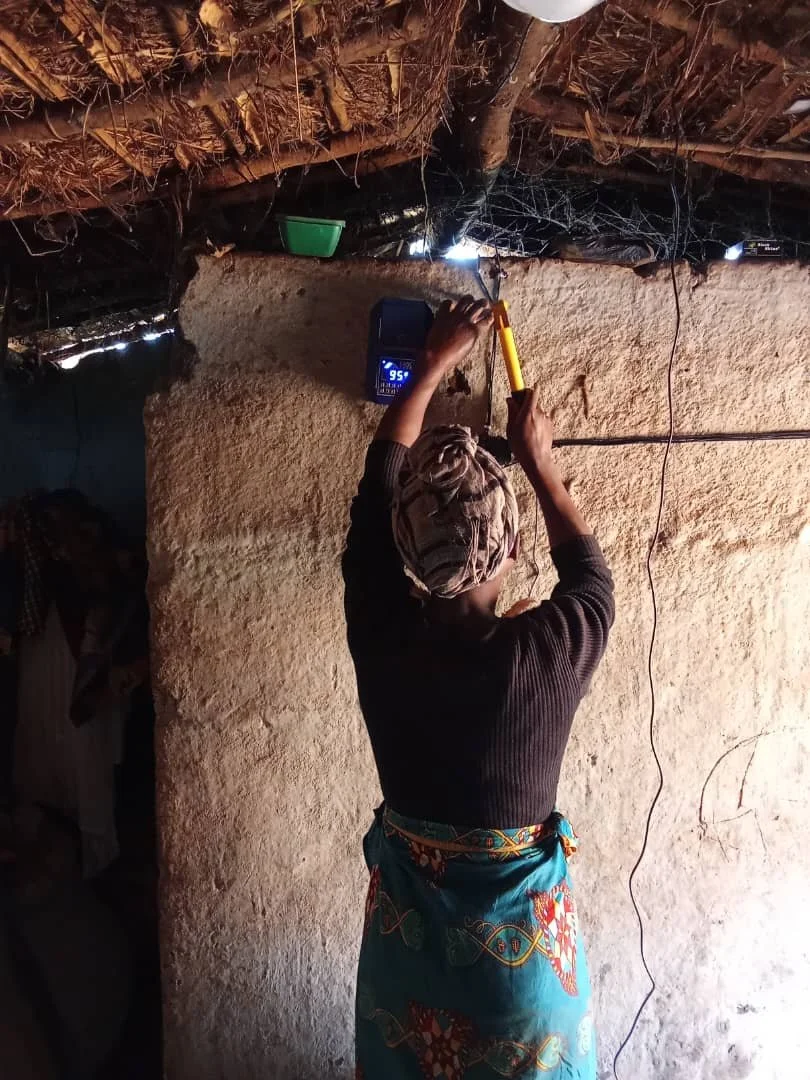
REAL Programme Catalyst is transforming last-mile off-grid energy access through Energy as a Service (EaaS). Our model shifts the focus away from one-off solar home system sales, and towards SHS as infrastructure that provides the basis for reliable, long-term electricity service.
Households pay for electricity rather than owning equipment, while vetted local operators install, maintain, repair and replace systems: improving service continuity, reducing e-waste and ensuring systems continue to serve communities over their full lifetime.
Since 2024, REAL helped catalyse Africa’s three largest SHS EaaS pilots which have delivered more than 26,700 connections across Sierra Leone, Senegal and Malawi.
REAL is helping scale this approach through programme design, financing, and advocacy, creating bankable models that unlock private-sector participation in underserved markets.
REAL Programme Catalyst’s energy access model has three pillars:
Affordability first
Our affordability-first model removes prohibitive upfront connection costs to the customer through smart subsidies, eliminating lump sum payments and credit checks.
Significantly lower monthly fees ensure truly inclusive energy access for the hardest-to-reach.
Community-wide coverage
Bulk procurement, cost-efficient deployment and installation of standardised systems achieves high-penetration rates faster than individual sales of solar home systems.
SHS as an infrastructure with service-based payments and operation ensures community-wide coverage.
Long-term service
Long-term system performance and maintenance with high-quality customer service, whilst being cash-flow positive for operators without ongoing subsidies. Trained local operators install, maintain, and replace systems through a performance-based contract - payments linked to KPIs, monitored remotely, reducing e-waste
REAL world impact
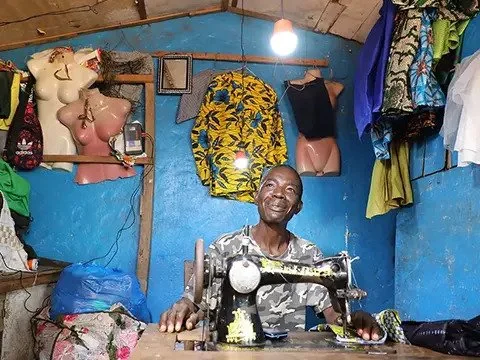
Our pilot projects in rural communities across Malawi, Senegal, Sierra Leone and Madagascar are creating long-term connections, building sustainable operations, and delivering first-time energy access through Energy-as-a-Service.
Sierra Leone
Proves high penetration rates ranging from 88 % to 100 %.

Malawi
Proves that the model can reach people living in extreme poverty.
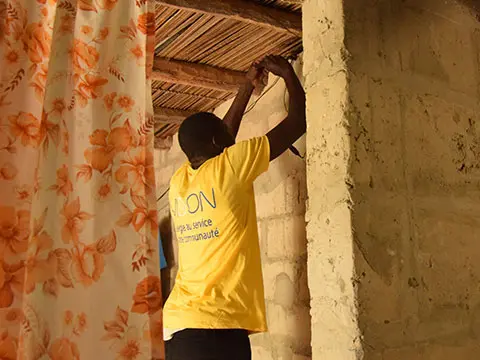
Senegal
Proves ability to reach very remote villages, such as islands.

Proves ability to integrate SHS connections in mini-grid concessions
Madagascar
REAL Programme Catalyst was co-founded by sector leaders from three impact-driven organisations, with decades of combined experience in off-grid solar.
REAL Programme Catalyst Partners


Our Team
-
![]()
Ieva Indriunaite
Director, REAL Programme Catalyst
-
![]()
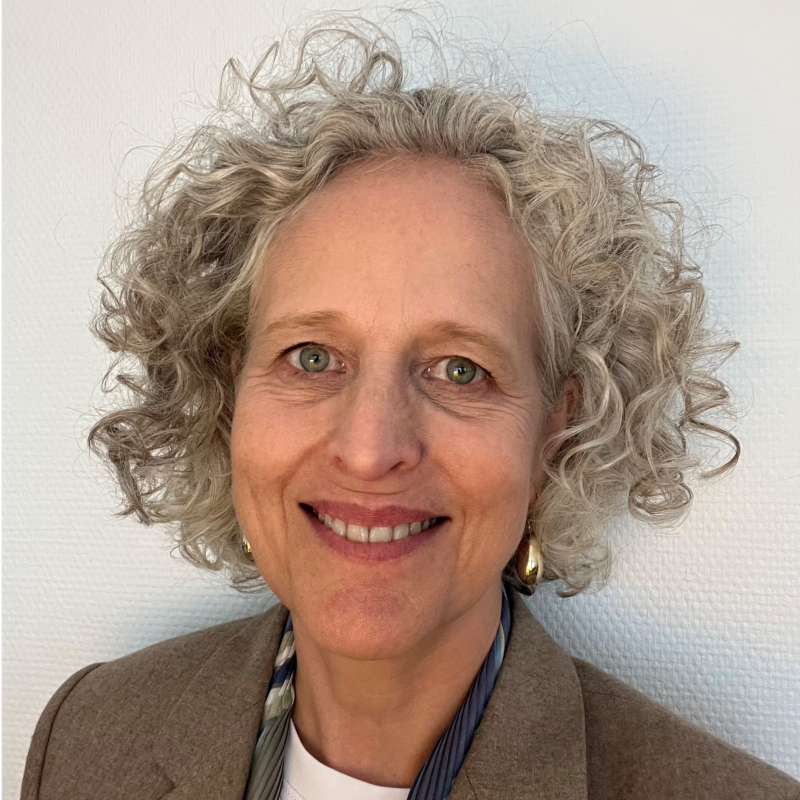
Rebecca Symington
Advisory Board Member
-
![]()
Thomas Samuel
Co-founder and Advisory Board Member
-
![]()
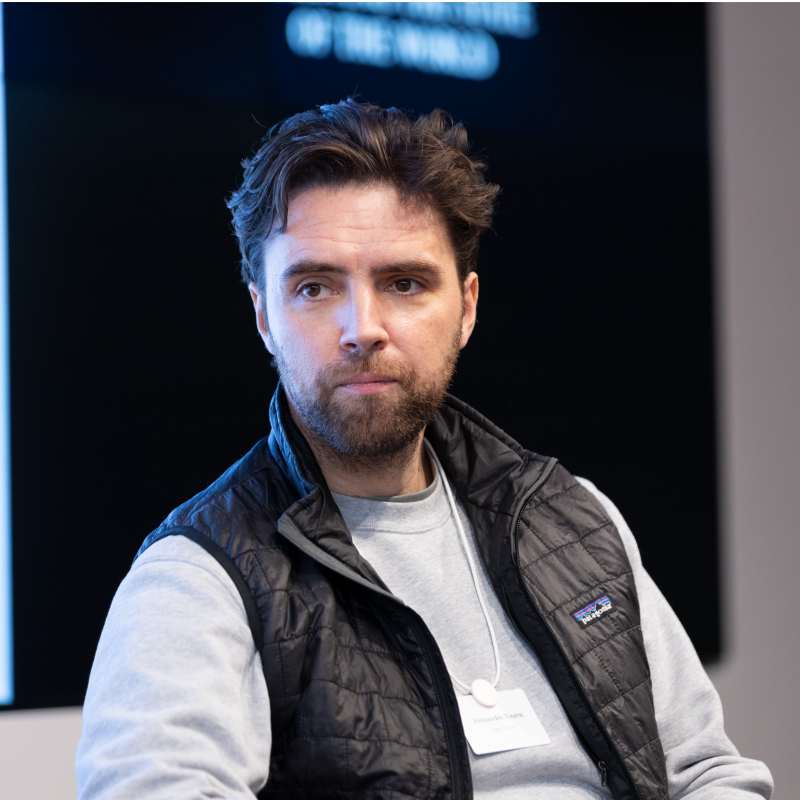
Alexandre Tourre
Co-founder and Advisory Board Member


With support from




Collaborating with sector leaders